Learning Kinbaku means developing the ability to understand what happens between two people through rope: how a gesture is received, how tension changes an expression, how technique becomes part of a shared experience.
At Rope Tales, we bring this perspective into our teaching. Technical understanding, cultural context and the relationship between the person tying and the person being tied belong to the same practice.
We welcome students from around the world to our workshops and private lessons in Milan, and we are regularly invited to teach internationally. Whether you travel to study with us or join a workshop in your own country, this page explains our approach and what to expect in class.
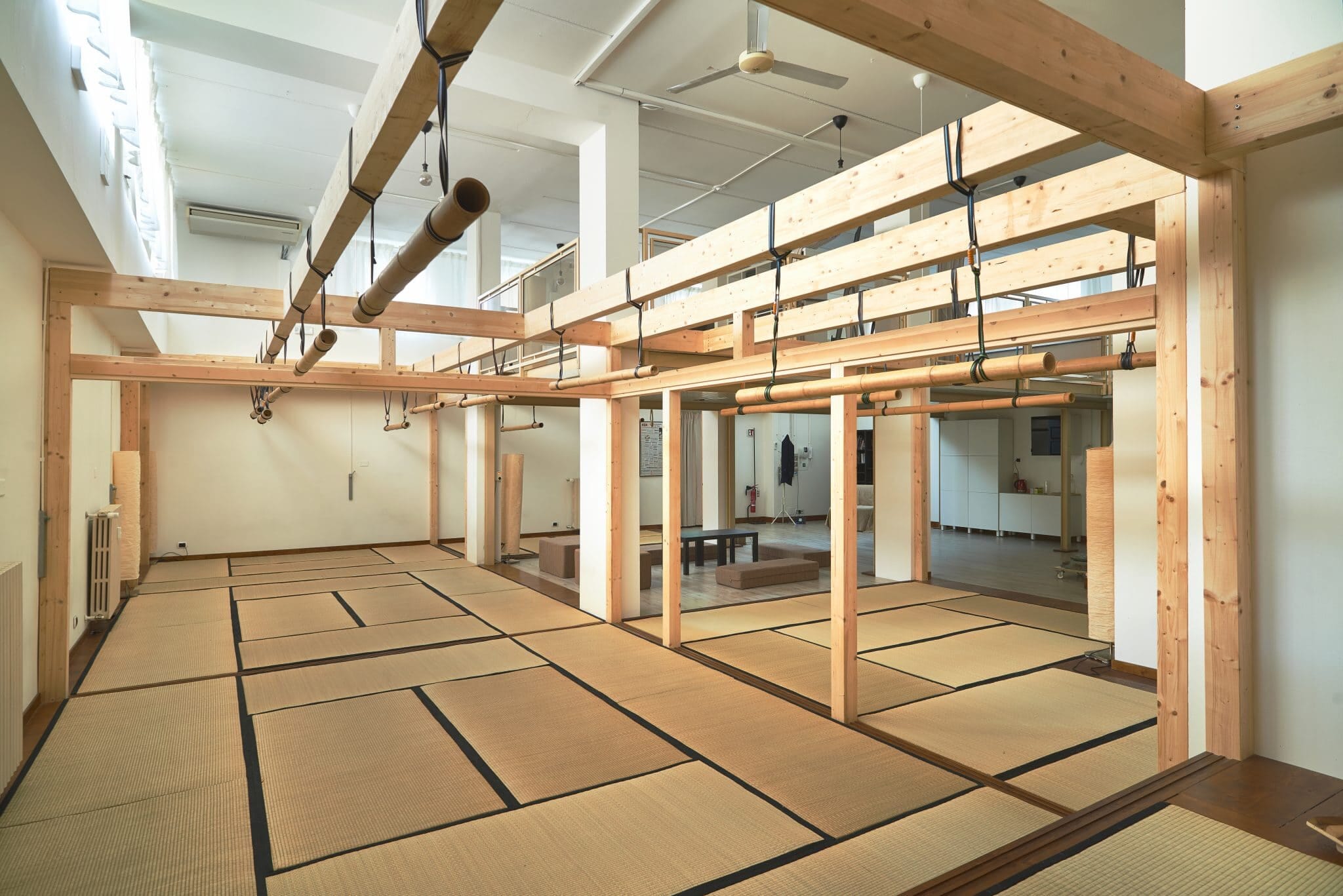
What will we work on?
Each workshop has its own subject and prerequisites. Some focus on foundations; others explore particular structures, transitions or expressive aspects of Kinbaku.
Across these different subjects, our attention returns to the same questions: what does the rope do, why does it work, and how does it affect the person receiving it?
A pattern provides a useful structure for learning. Understanding its principles helps you recognise what needs to change when you work with a different body, encounter a difficulty or want to create a different feeling.
How does a workshop unfold?
A class brings together explanation, demonstration, practice and feedback.
We introduce the purpose of the exercise and the concepts needed to understand it. You then watch the demonstration before practising with your partner. This gives you time to observe the whole action, rather than dividing your attention between watching and tying.
During practice, we work with students on the difficulties that emerge. Questions and corrections help connect the explanation to what is actually happening in your hands and in your partner’s experience.
The pace and balance of these elements depend on the subject and the group.
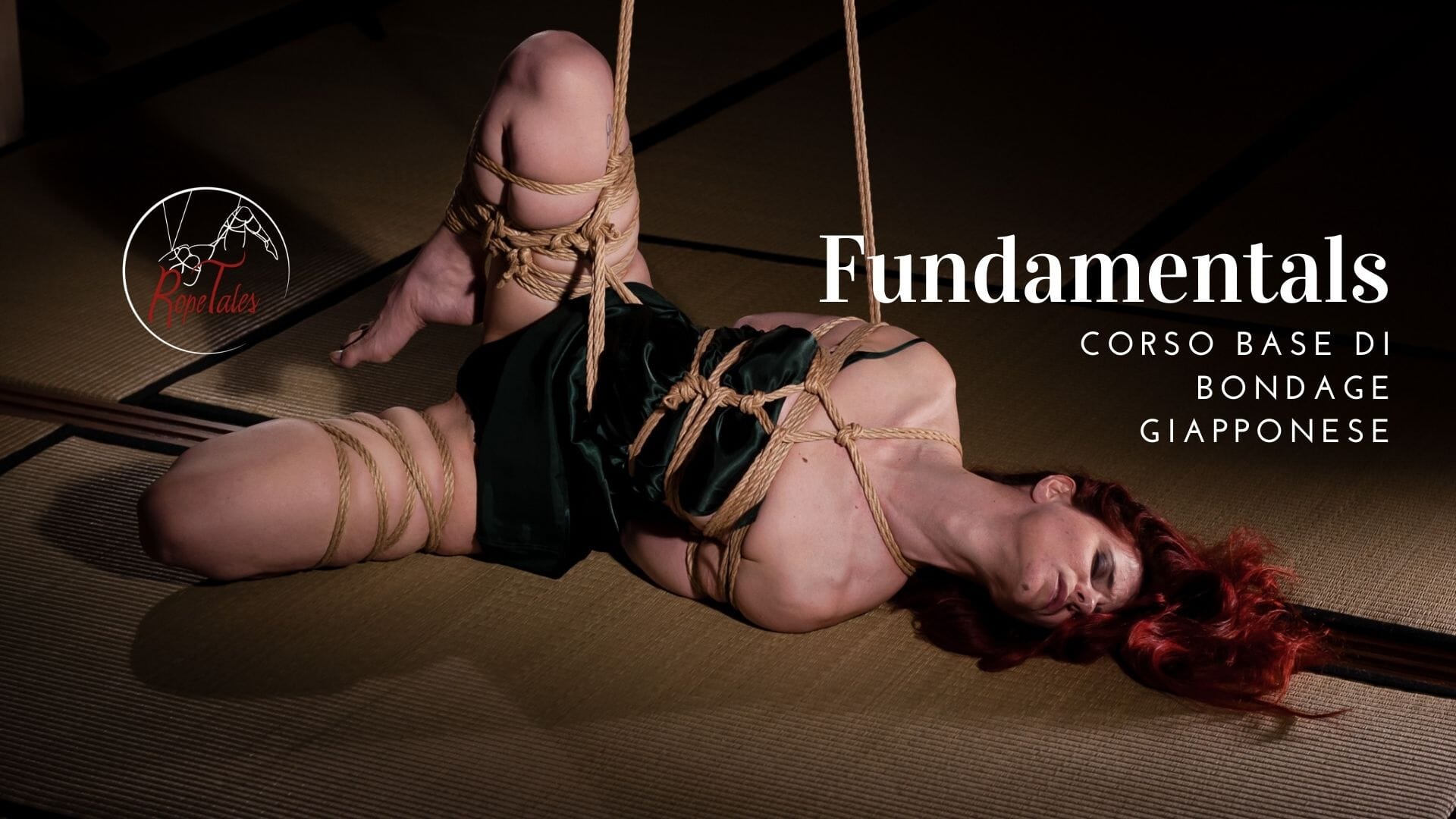
Why does cultural context matter?
Our teaching draws on Japanese Kinbaku and an ongoing interest in the culture from which it developed.
Context gives meaning to practical choices. It helps us explore why a position, a rhythm or a particular use of tension can carry expressive weight.
For an international group, this also opens a conversation about interpretation: how can we understand these influences and bring them thoughtfully into our own practice?
Is the workshop useful for both partners?
The experience of the person being tied is central to the work.
Pressure, anticipation, balance and movement are experienced differently from each side of the rope. Bringing those perspectives together helps both partners understand the exercise more fully.
We encourage you to pay attention to your own responses and to communicate with each other. Progress comes from what you learn together, including the moments when an exercise needs to be adjusted or stopped.
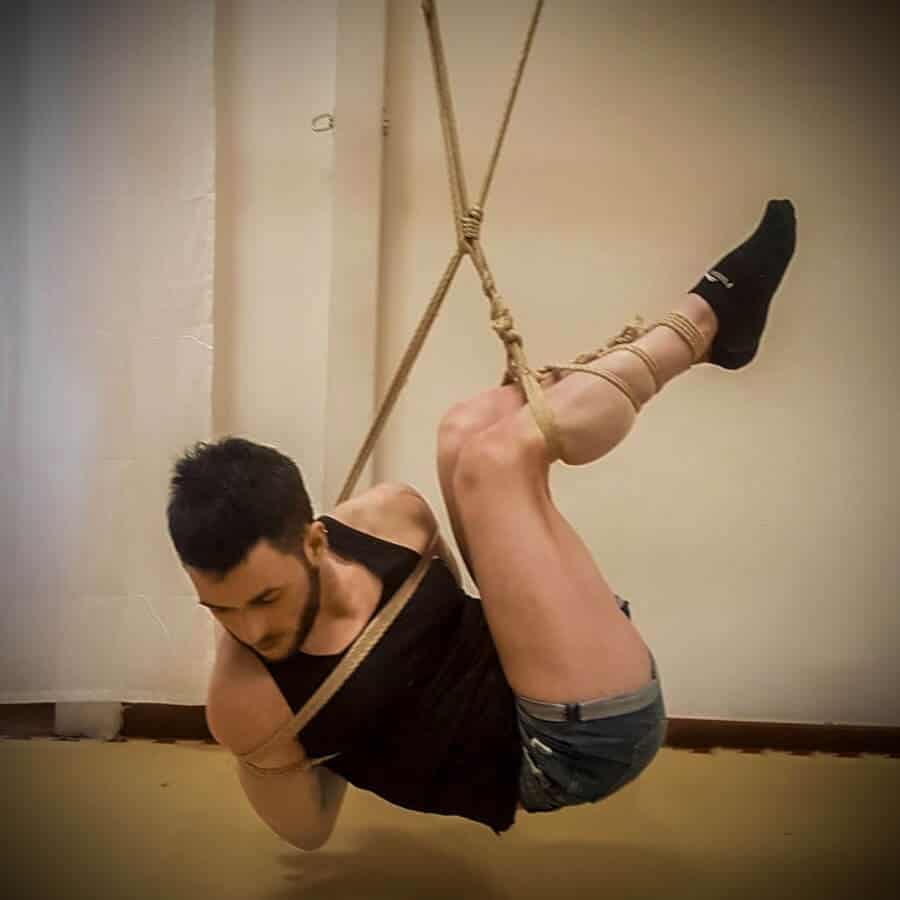
How do I choose a suitable workshop?
Read the description and prerequisites for the specific event. Terms such as “beginner”, “intermediate” and “advanced” can describe different experience in different schools.
If you are unsure, tell us what you currently practise, which structures you know and what you would like to explore. Concrete examples help us understand your starting point.
A workshop offers material to study and develop afterwards. Attending a class does not automatically mean that every technique covered is ready for independent use.
Will every workshop include suspension?
The programme determines whether suspension is involved.
Floor work can offer considerable technical and expressive depth. Suspension introduces additional demands and requires appropriate preparation from both partners.
Choose a workshop for the understanding you want to develop and the experience you can bring to it. The complexity of a position alone says little about the quality of the exchange.
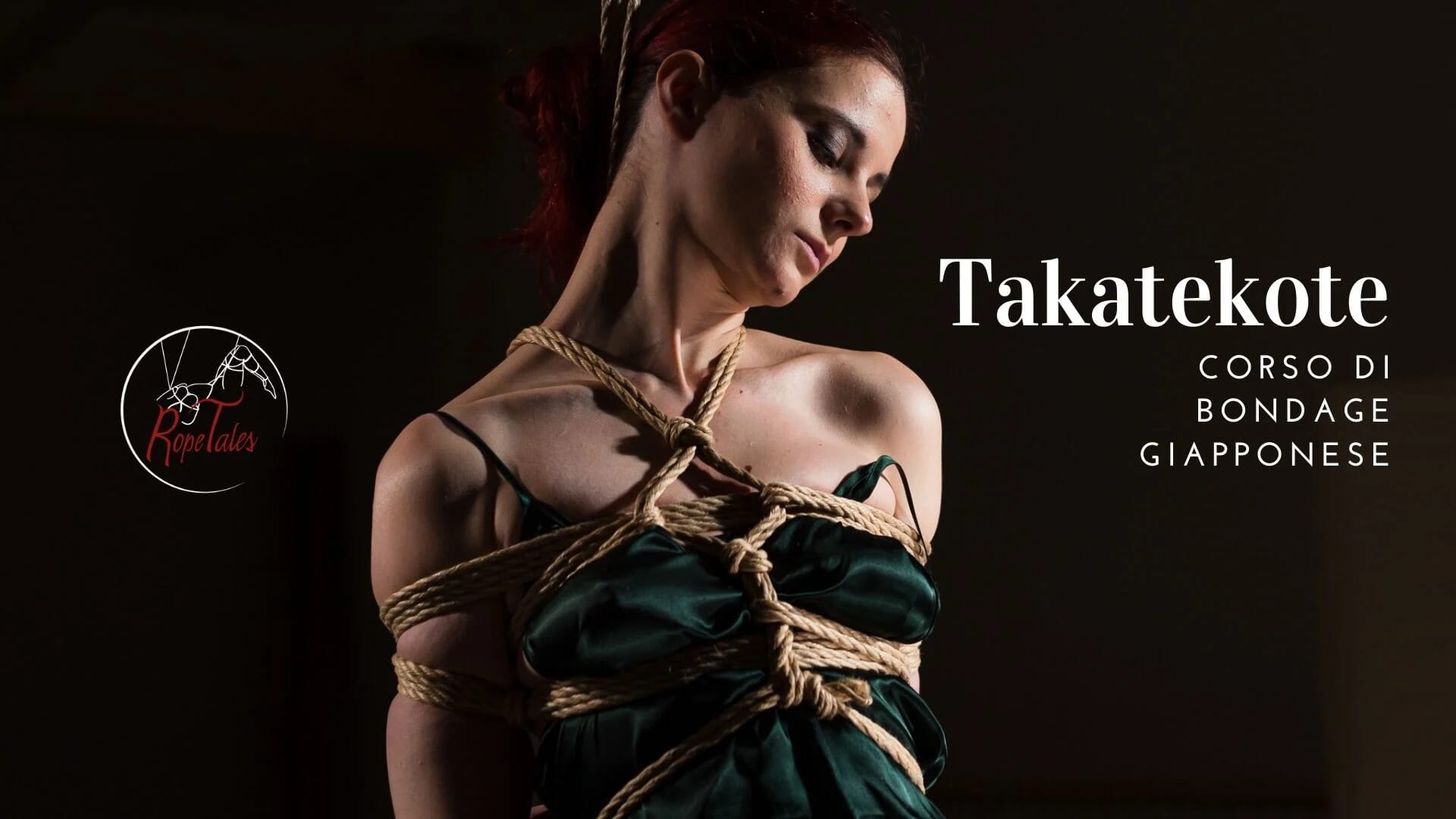
What should I know before joining?
Check the event information for partner requirements, equipment, clothing and the teaching language. International workshops are normally taught in English; arrangements for a particular event should be confirmed with the organiser.
Partner exercises involve physical contact. Participation is for consenting adults, with respect for personal boundaries and for everyone sharing the classroom.
You do not need to resemble the people in performance photographs. What matters is finding work appropriate to your experience, abilities and circumstances.
If something may affect your participation, discuss it with us before the workshop so we can clarify what the programme involves.
How are privacy and personal boundaries respected?
A learning environment needs room for concentration, questions and uncertainty.
Ask permission before taking any photographs or recordings, and respect the privacy of everyone present. Nobody should feel obliged to share personal information or appear in another participant’s images.
The same consideration applies during practice: listen to your partner, respect their limits and allow other participants the space to work.
What should I bring?
Follow the equipment list for your specific workshop. Requirements vary with the subject, especially when suspension is involved.
Wear clothing that allows you to move comfortably and work with rope. Bring water and something warm for breaks.
If you are travelling and need to borrow equipment, ask about availability before making your arrangements.

Studying with us in Milan or abroad
Students travel from around the world to study with us in Milan, both in group workshops and through private tuition. We also travel internationally to teach at the invitation of schools, communities and event organisers.
The following pages will help you find the right next step:
- Private lessons in Milan — explore individual tuition and discuss what you would like to study.
- International workshop calendar — find upcoming opportunities to study with us in Milan and abroad.
- Host a Rope Tales workshop — invite us to teach in your community.